
. Introduction
According to the World Health Organization, over 80% of the world’s population consult traditional health practitioners for plant-based traditional medicines (WHO, 2019). For many years, there has been an increase in the cultivation of herbal plants and a return to herbal medicine (Dristika & Acharya, 2019; Zająkała & Wielewska, 2020). Furthermore, herbs are used in the pharmaceutical, food, and cosmetic industries, as well as in animal production (Peter, 2006). More than 50% of clinically tested pharmaceutical drugs used worldwide are derived from traditional medicinal plants (McChesney et al., 2007). Consequently, the demand for herbal raw materials is increasing (Zająkała & Wielewska, 2018). Raw herbal materials derived from medicinal plants (MPs) are obtained from natural habitats and from cultivation (Vines, 2004; Canter et al., 2005). Excessive harvesting of plants from natural habitats poses a threat to their population size and biodiversity and may even lead to the extinction of some species (Canter et al., 2005). Agrophages pose a significant threat to plants in both natural habitats and cultivation. The presence of agrophages in agricultural, horticultural, and especially herbal plantations is a serious problem, leading to economic losses and even reductions in yield. The estimated global annual yield losses in agricultural plants range from 20% to 40% (Pandey et al., 2018; Worrall et al., 2018; Savary et al., 2019). In the case of MPs, these losses can be much greater, as the occurrence of diseases caused by viruses, bacteria, and fungi can lead to a reduction in yield and quantity, with reported cases of yield losses of up to 80% (Bedlan, 2005). Among the many species of fungi that are pathogenic to MPs, numerous species of the genus Colletotrichum deserve special attention, including Colletotrichum dematium (Pers. ex Fr.) Grove and Phomopsis diachenii Sacc. of the genus Phomopsis. These fungi were isolated from herbaceous plants belonging to the Apiaceae family during studies conducted at the Department of Plant Protection of the University of Life Sciences in Lublin (Zalewska et al., 2015; Zalewska et al., 2016; Zalewska et al., 2022). C. dematium is a dangerous pathogen infesting numerous species of plants both as a secondary pathogen, and its pathogenic strains can cause anthracnose of plants in various geographical regions, and as a primary pathogen, especially in weakened plants (Yoshida et al., 2000; Zalewska, 2010). The presence of this species on herbs, vegetables, and fruits is particularly dangerous because, in addition to causing anthracnose in plants, it may infect warm-blooded organisms, including humans, where it can cause keratitis and lead to loss of vision (Mendiratta et al., 2005; Natarajan et al., 2013; Müller et al., 2013; Machowicz-Matejko & Zalewska, 2015; Joseph & Sharma, 2016; Buchta et al., 2019). Fungi of the genus Phomopsis can cause various disease symptoms in plants and are responsible for necrosis of bark, shoot blight and cancer, decay, wilting, fruit rot, and mummification (Živković et al., 2007; Król & Kowalik, 2010; Udayanga et al., 2011; Gomes et al., 2013; Król et al., 2017a).
The current plant protection relies on the use of pesticides: herbicides, insecticides, and fungicides. These agents are widely used in conventional and integrated agriculture (Dudley & Alexander, 2017). Some are also approved for organic farming (Mansi & Danai, 2025). However, despite the many advantages of pesticides, their use has harmful side effects on non-target organisms, including pollinators (Botías et al., 2017; Sgolastra et al., 2019; Shukla et al., 2024). Therefore, research is underway to develop effective pesticides that are environmentally friendly (Worrall et al., 2018). Nanotechnology is a science that has advanced significantly in medicine and pharmacology. The production of nanoparticle-based formulations enables safer administration of highly toxic drugs, e.g. those used in cancer treatment, among other applications. Furthermore, nanoparticle-based materials have applications in diagnostics, imaging, biomedical implants, and tissue engineering (Haleem et al., 2023). Although initially sceptical about the potential use of nanoparticle-based formulations in agriculture, new plant protection products are currently being developed that utilize metal ions in nanoparticle form, with insecticidal and fungicidal properties (Kim et al., 2012; Mishra & Singh, 2015; Balaure et al., 2017; Sinha et al., 2024). Furthermore, it has been demonstrated that macro- and microelement ions induce plant resistance to pathogens (Mozafari et al., 2018). One of the main elements used in the production of nanopreparations is silver (Mishra & Singh, 2015; Rafique et al., 2017). Silver nanoparticles have been the subject of scientific research for many years in terms of their antimicrobial properties (Prasad et al., 2017). In addition, these particles are used in agriculture to improve crop health and support sustainable development. The specific properties of silver nanoparticles include antiviral, antifungal, and bactericidal effects (Chen & Schluesener, 2008; Prasad et al., 2017; Gupta et al., 2018; Huang et al., 2018; Malandrakis et al., 2019; Kale et al., 2021). Similarly, according to the literature, copper ions are used in plant protection, especially against diseases caused by bacteria. They can also inhibit metabolic processes in fungal spores, thereby inhibiting their germination (Carvalho et al., 2022). There is also growing interest in research on zinc ions, which are cofactors essential for life (Prakash et al., 2022). This element is non-toxic in low concentrations, has antiparasitic properties, and its effect on carotenoid and chlorophyll biosynthesis indicates its potential in agricultural development (Hussain et al., 2016).
Due to the relatively limited programmes for the protection of herbal plants and the possibility of limiting the growth of pathogens using chemical plant protection products, it is important to search for alternative and innovative methods for mitigating the growth of pathogens and thus reducing the incidence of plant diseases. According to numerous studies, phytonanotechnology is an advanced technique used to support sustainable agriculture and food production. This innovative technology provides opportunities for targeted control of different pests. Moreover, it allows the nanopreparation to be programmed so that the mechanism of action of nanoparticles is directed at specific cell organelles, where they release their contents (Qasim et al., 2022). Fertilisers as well as nanofertilisers are preparations whose main purpose is to increase fertilisation efficiency through better nutrient absorption by plants. The use of preparations with active compounds in nano form leads to minimisation of fertiliser losses, reduction of costs, improvement of plant growth and vitality, and enhancement of plant resistance to stress. Nanoparticles enable gradual and controlled release of nutrients, which prevents their loss as a result of leaching or volatilisation. Chemical elements added to nanofertilisers can inhibit the growth of pathogens, thereby increasing crop yields. The main purpose of the study was to determine the effect of selected fertilisers containing nanoparticles or ions of silver, zinc, and copper-boron on the growth and sporulation of the two above-mentioned fungal species. Determining the impact of these fertilisers will facilitate appropriate planning of both the timing of their application to improve plant growth and protection against expected pathogen infection.
. Material and methods
. Fungus materials
Single-spore cultures of Phomopsis diachenii K 651 and Colletotrichum dematium K 425 obtained from the stems of caraway with symptoms of decay were selected from our collection of isolates (Machowicz-Stefaniak & Zalewska, 2008). The pathogenicity of these fungi was confirmed earlier by in vitro and in vivo research (Machowicz-Stefaniak et al., 2012; Zalewska, 2010). Experiments were performed on PDA (Difco) medium, adding the studied formulations to the medium with the method of poisoning the culture media, and inoculated with agar plugs containing fungi (Machowicz-Stefaniak & Zalewska, 2011).
. Fertilisers
Four liquid foliar fertilisers containing metal ions or nanoparticles of copper-boron, zinc, silver and chitosan, produced by Colchem in Lublin, were included (Table 1). These were the following formulations: Viflo Miedź-Bor, Cynk Viflo Zn, Viflo Chitosol Silver, and Viflo Cal S. These preparations in the form of foliar fertilisers are intended for feeding plants and increasing their resistance to diseases. Viflo Cal S was awarded the A. Pieniążek prize as the most innovative product in 2014. The preparations were obtained from retail sales.
Table 1
Particle shape specified by the manufacturer.
. Fertiliser treatments
The study was carried out at the Department of Plant Protection and the Department of Vegetable and Herbs, University of Life Sciences in Lublin. In order to determine the most effective concentration, each conditioner was tested at three concentrations, i.e., the concentration recommended in practice as well as lower and higher doses. Viflo Cal S and Viflo Chitosol Silver were tested at the concentration of 0.125 g·cm-3 – recommended in practice as well as 0.05 g·cm-3 and 1.0 g·cm-3. Viflo Miedź-Bor was tested at 230.0 g·cm-3 – recommended in practice as well as 100.0 g·cm-3 and 10.0 g·cm-3. Cynk Viflo Zn was tested at the concentrations of 10.0 g·cm-3 – recommended in practice, 1.0 g·cm-3, and 0.1 g·cm-3. The inoculation material consisted of mycelial plugs of uniform size (3 mm) cut out from 2-week-old mother colonies growing on PDA medium at the temperature of 24°C. For each formulation at the tested concentration treated as an object and each fungus culture, four replicates were included, treating each dish for repetition. The controls consisted of colonies of P. diachenii and C. dematium growing on the PDA medium without the preparations.
The measure of activity of the tested formulations was the percentage of growth inhibition of 4- and 8-day-old fungus colonies on the medium with the preparation compared to the control colonies (Machowicz-Stefaniak & Zalewska, 2011).
I
inhibition rate
C
diameter of the control colony
T
diameter of the colony on the dishes with an addition of the preparations
Moreover, the type of toxic interaction of the studied formulations on C. dematium and P. diachenii was determined. In the absence of colony growth, the inoculums were transferred to PDA medium without the preparation to determine the viability of the fungus (Machowicz-Stefaniak & Zalewska, 2011).
. Microscopic examination
Microscopic examination of 4- and 8-day-old colonies of P. diachenii and C. dematium growing on the medium with the preparations was performed in order to determine changes in the appearance of morphological structures – hyphae, pycnidia, and conidia. These observations were performed using a BX53M microscope with OLYMPUS Stream software, which ensures efficient workflow during standard microscopy and digital imaging tasks.
. Results
. Effect of the preparations on the growth of Phomopsis diachenii
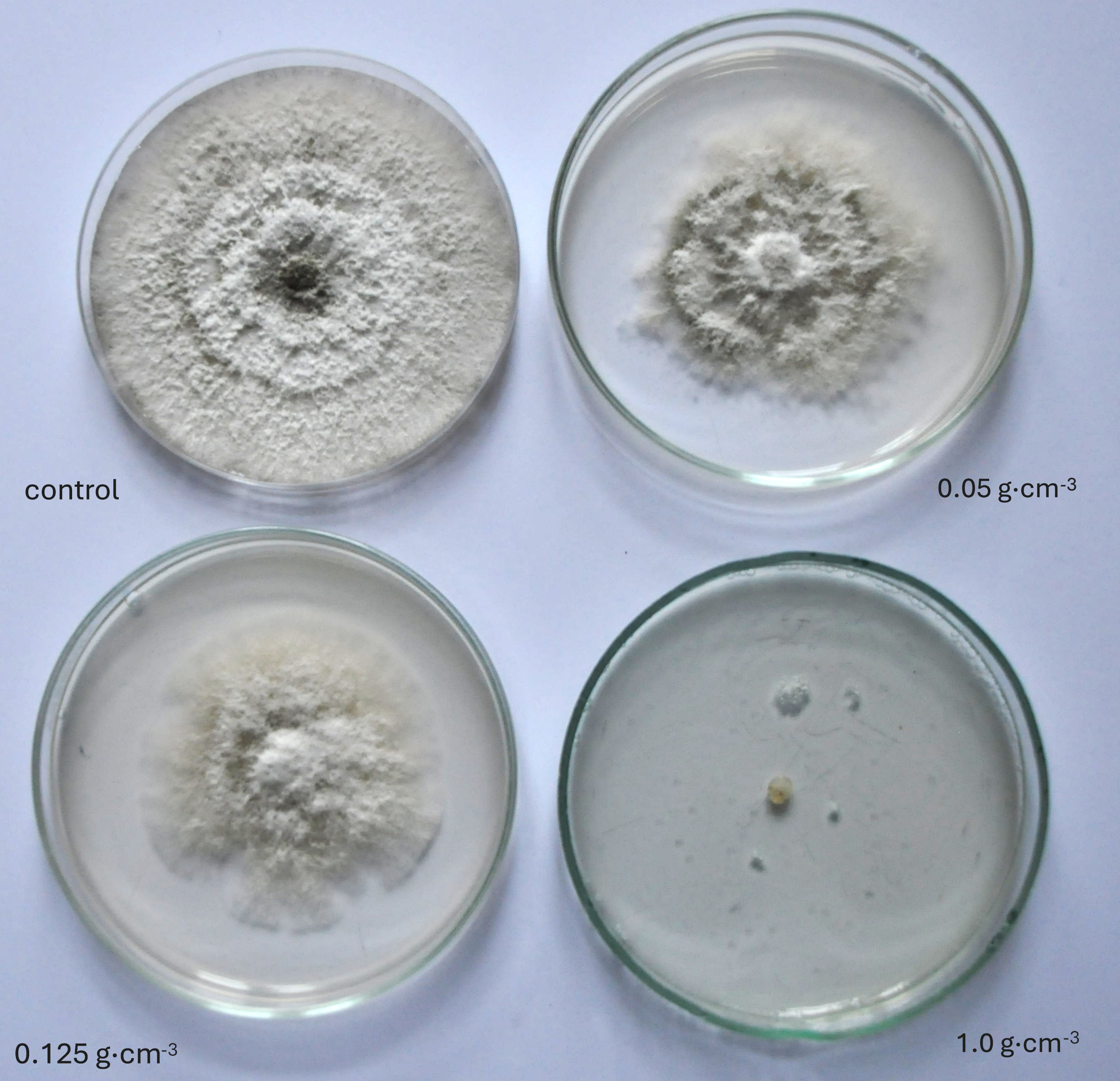
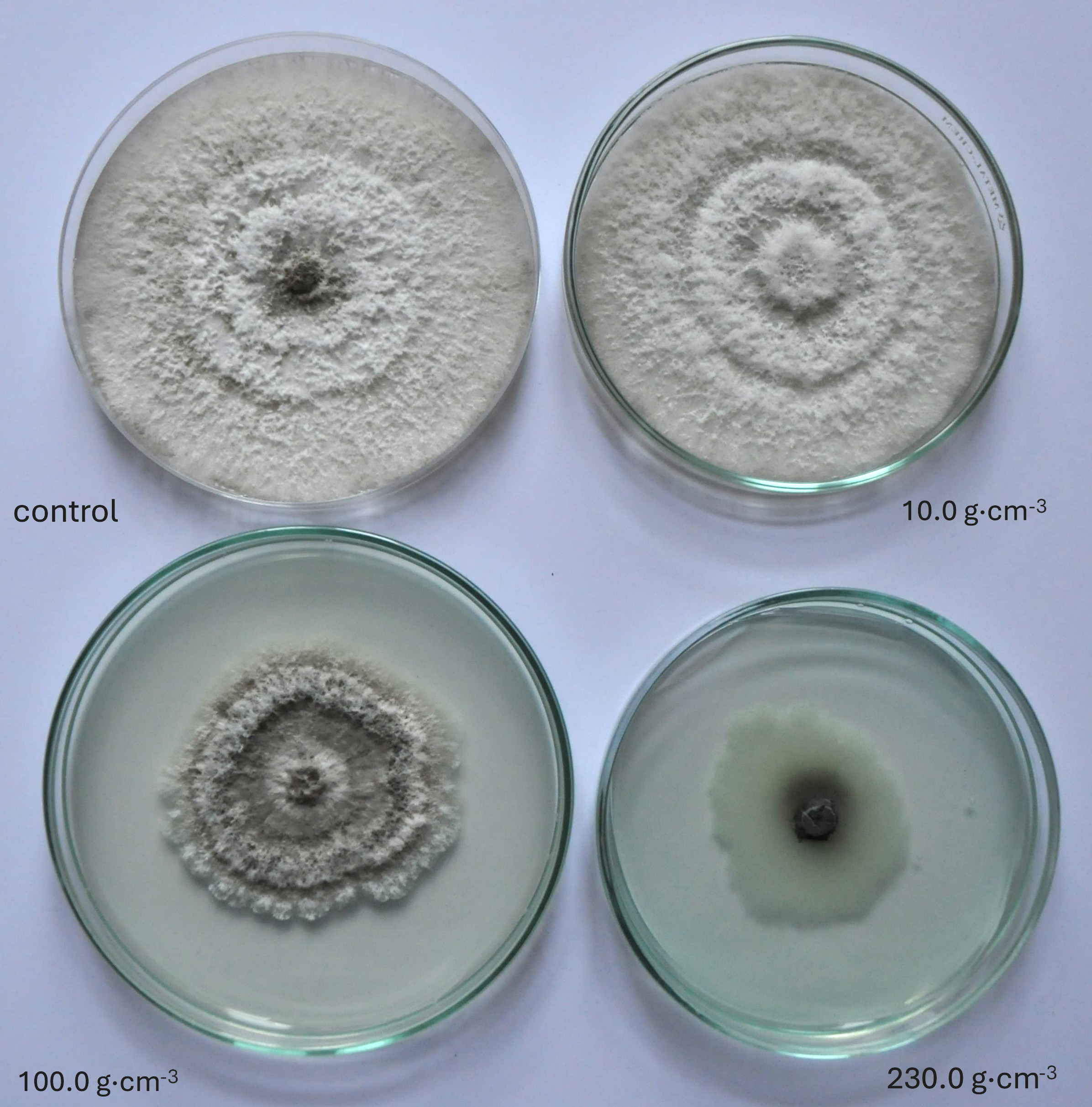
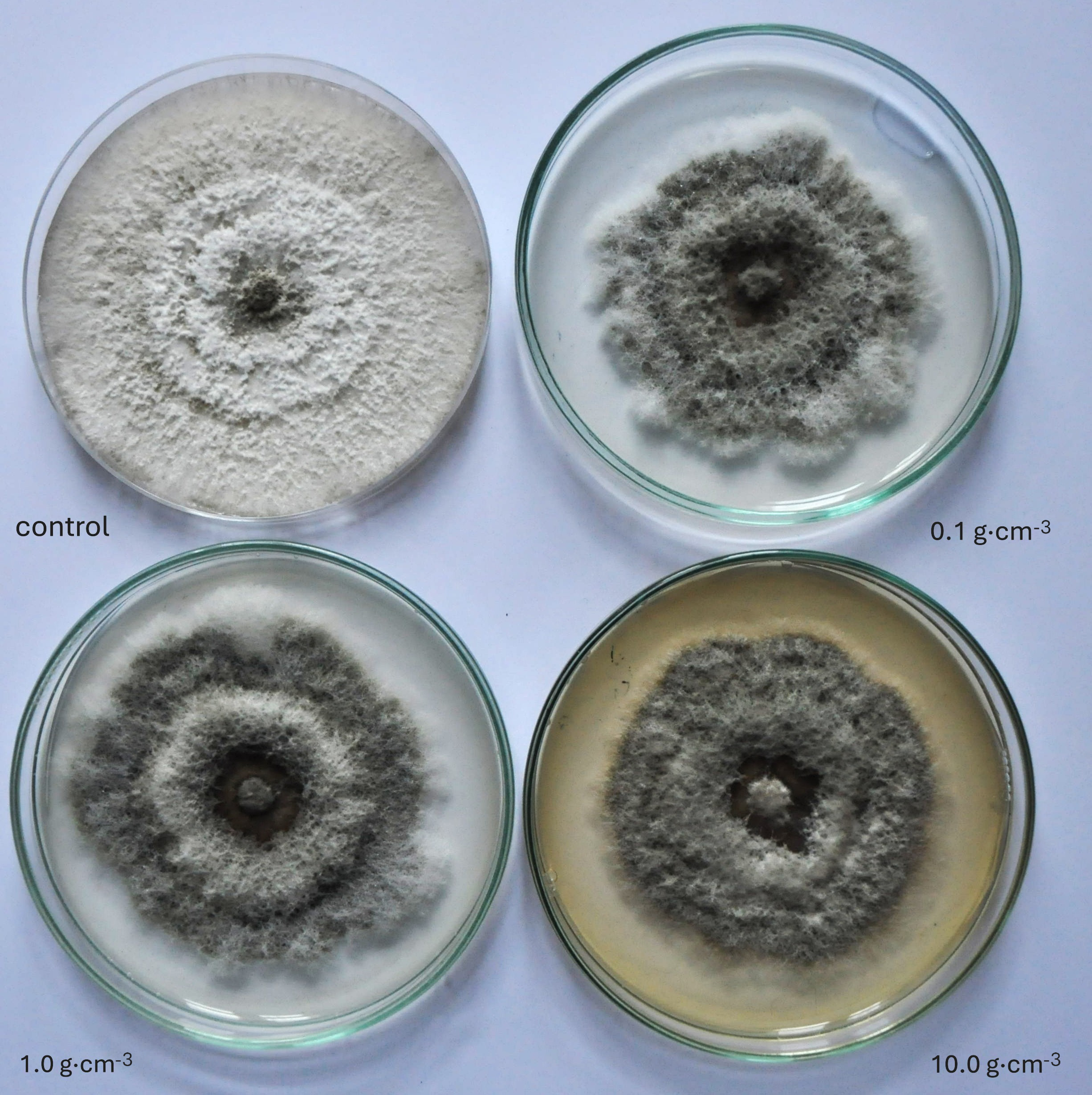
The study demonstrated a highly variable effect of the tested fertilisers containing nanoparticles of silver, chitosan, and copper-boron as well as zinc ions on the growth and sporulation of P. diachenii colonies. On the first day of culture, the Viflo Cal S preparation containing silver nanoparticles, in particular, significantly reduced the growth and development of 4-day-old P. diachenii colonies at all concentrations, while the effect of the other preparations was minor (Table 2). After 8 days of cultivation, the inhibitory effect of Viflo Cal S at the concentration of 1.0 g·cm-3 on the growth of P. diachenii colonies was significantly higher in comparison with the growth of control colonies and the influence at the concentration of 0.125 g·cm-3, as well as in comparison with the other preparations tested in all studied concentrations (Figure 1, Table 2). The percentage of the growth inhibition of P. diachenii colonies caused by this formulation was significantly higher in comparison with the three other fertilisers (Table 2). Similarly, the Viflo Miedź-Bor and Cynk Viflo Zn preparations limited the growth of this fungus, but the inhibitory effect was significantly lower (Figure 2, 3, Table 2). The growth of P. diachenii on the PDA medium with an addition of Viflo Chitosol Silver was limited after 4 days of culture at a comparable level, i.e. to 54.97, whereas the size of the fungus colonies after 8 days was comparable to the control colony. The inhibitory effect of this preparation was significantly lower than the effect of Viflo Cal S (Table 2).
Table 2
Effect of foliar fertilisers containing nanoparticles or molecules of active substances on the growth inhibition of P. diachenii.
. Effect of the preparations on the growth of Colletotrichum dematium
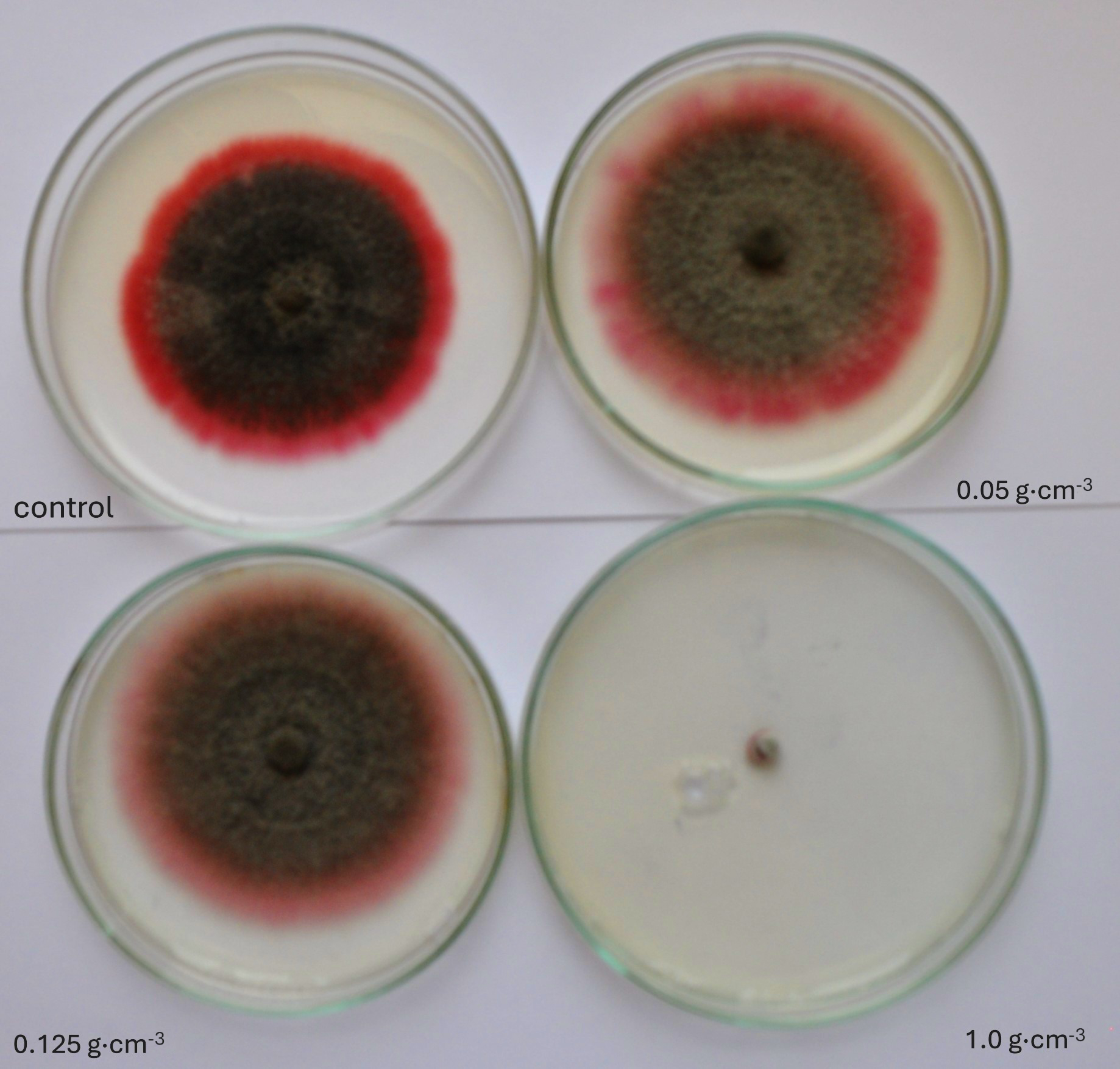
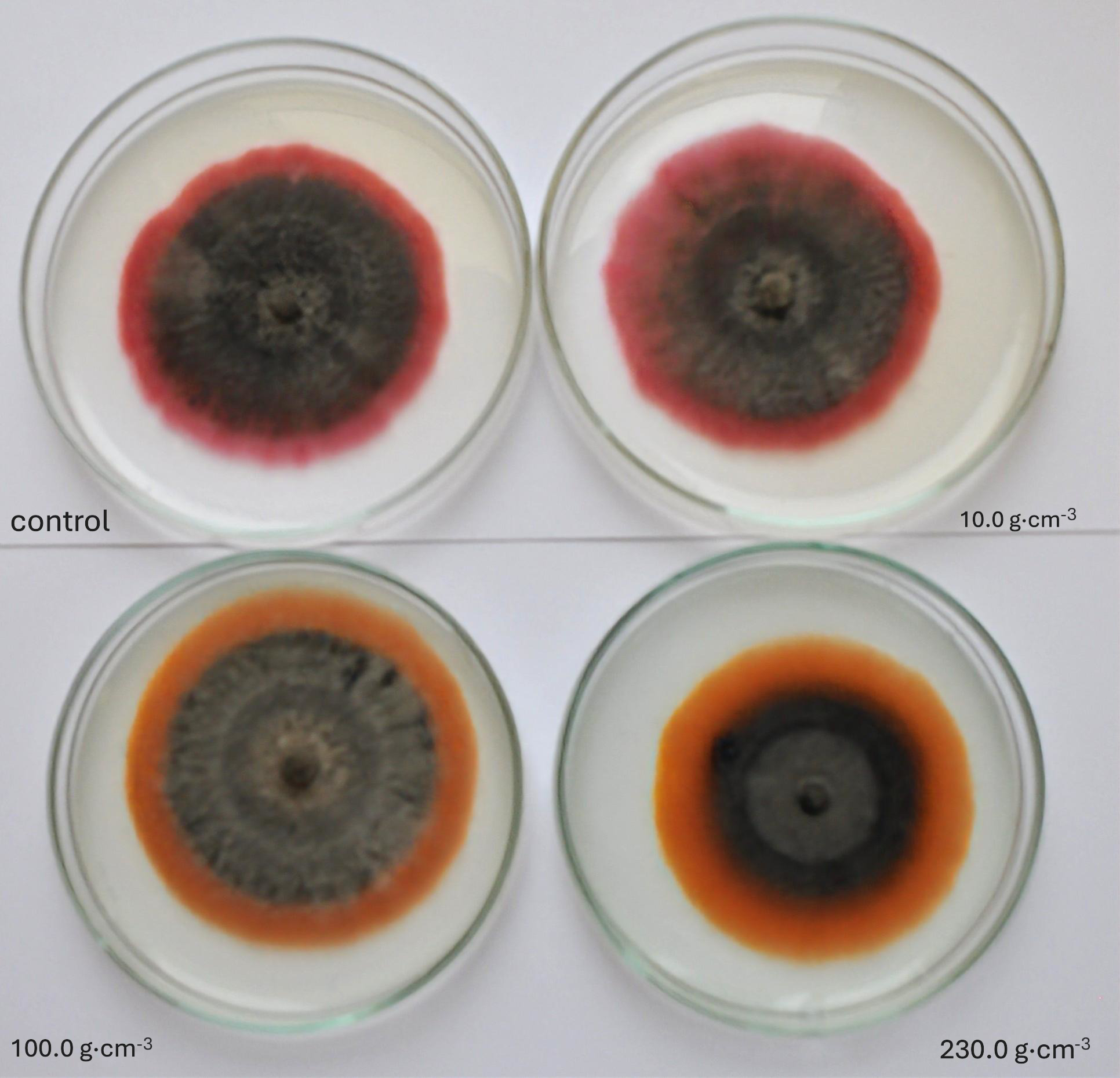
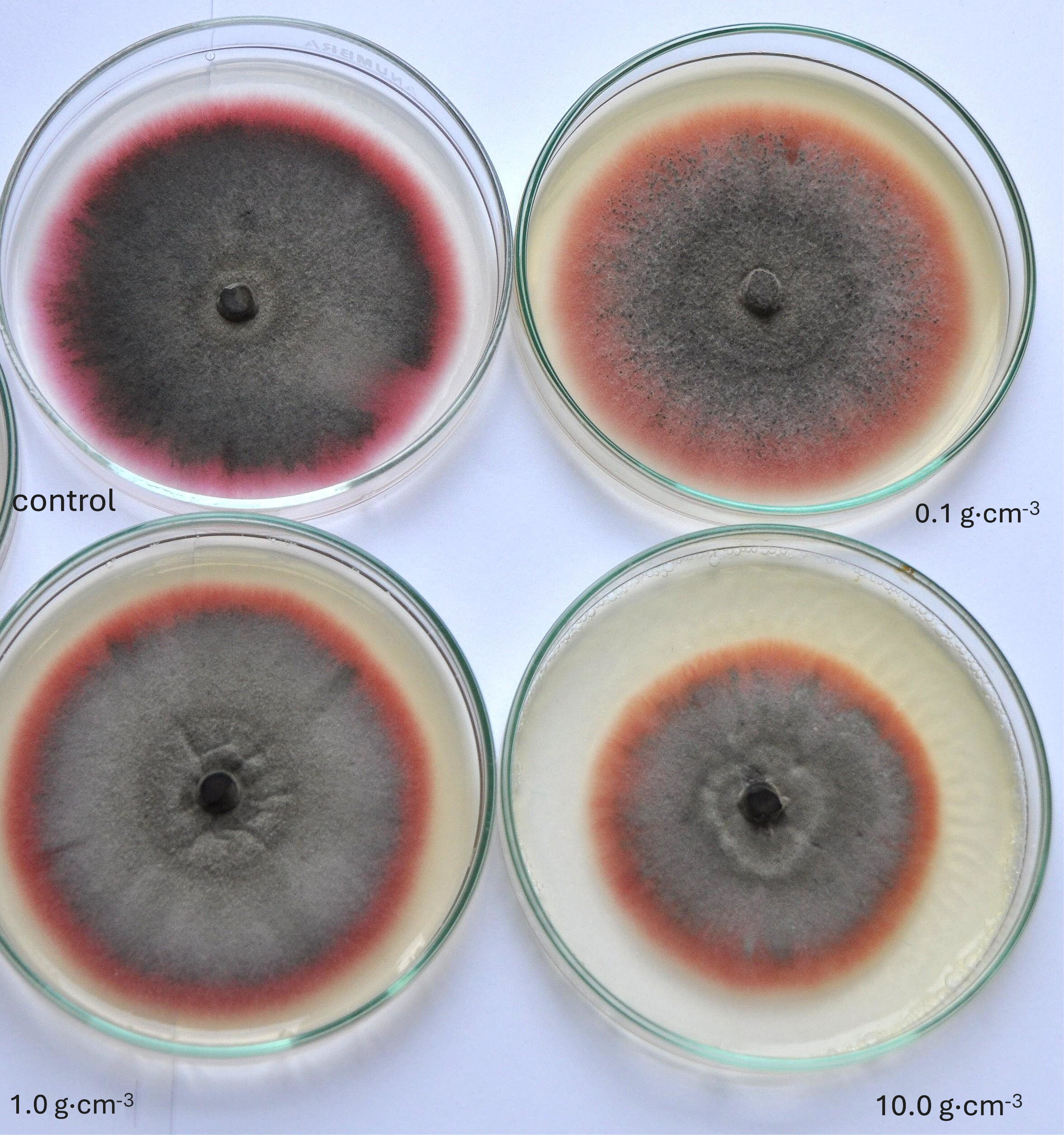
The present study on the effect of Viflo Cal S on the growth of C. dematium colonies revealed stimulation of pathogen colony growth when the lower concentrations of the preparation were used after both 4 and 8 days of culture (Table 3). However, at the concentration recommended in practice, this preparation completely inhibited fungal growth after 4 days of cultivation, and only a slight increase in colony growth was observed after 8 days (Figure 4). In comparison to the other preparations tested, the inhibitory effect of this preparation was significantly higher (Table 3). Among the tested preparations, Viflo Chitosol Silver and Viflo Miedź-Bor showed a slight inhibitory effect on the growth of 8-day-old C. dematium colonies (Figure 5, Table 3). The Cynk Viflo Zn preparation did not inhibit the growth of the tested fungus colony after 8 days of the experiment (Figure 6, Table 3).
The statistical analysis of the results showed that, regardless of the concentration of the tested preparations used, Viflo Cal S exhibited significantly higher inhibitory properties against both fungal species (Table 4). In contrast, the Viflo Miedź-Bor and Cynk Viflo Zn preparations stimulated the growth of C. dematium colonies (Table 4).
Table 3
Effect of foliar fertilisers containing nanoparticles or molecules of active substances on the growth inhibition of C. dematium.
Table 4
Effect of foliar fertilisers containing nanoparticles or molecules of active substances on the growth inhibition of studied fungi independently of concentration of active substances.
. Microscopic examinations
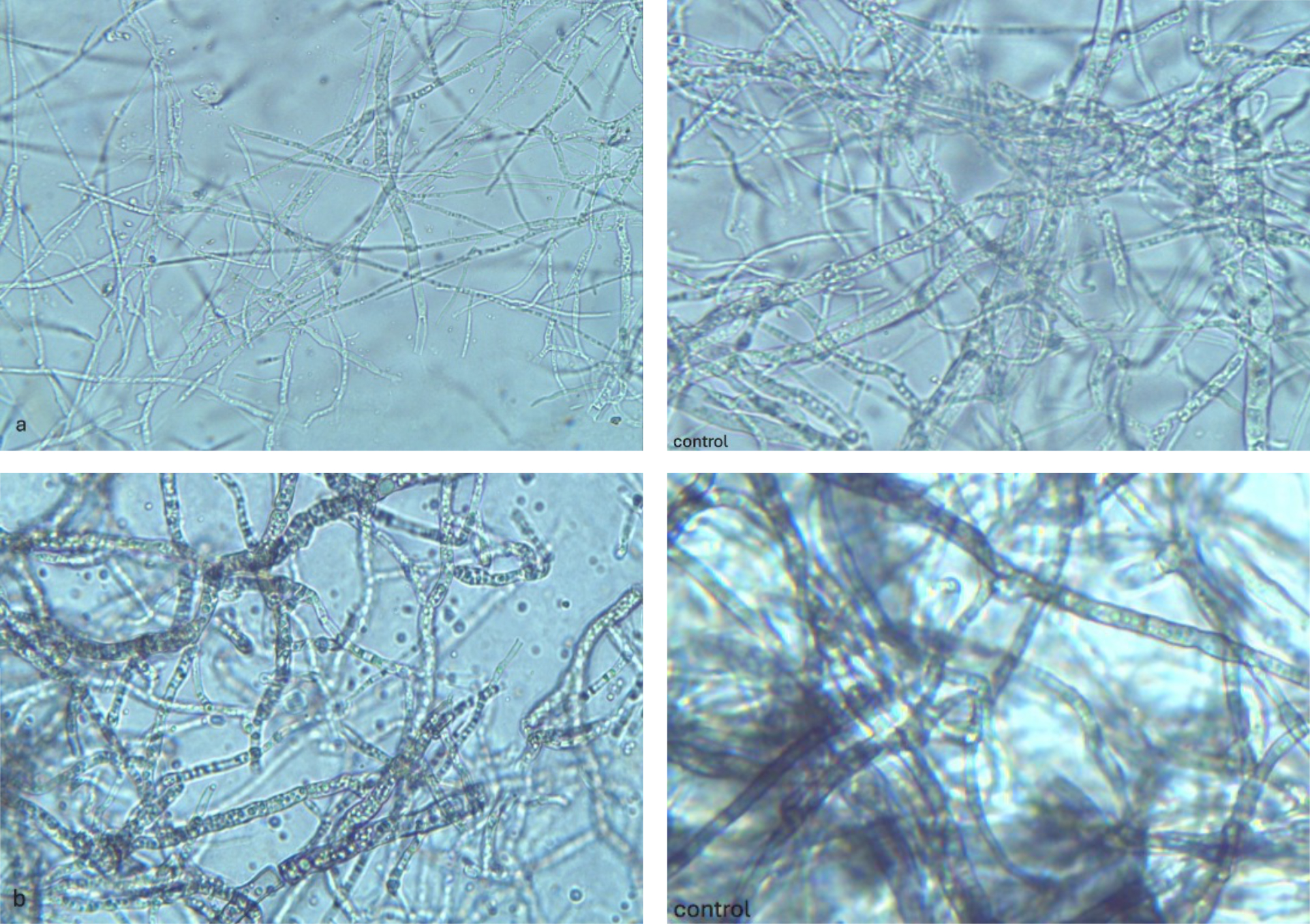
The studies showed a variation in the effect of the tested fertilisers on the sporulation of both fungal species. Viflo Cal S inhibited the sporulation of P. diachenii and C. dematium on a medium containing 1.0 g·cm-3 (Figure 7a, b). The other preparations had no effect on the sporulation of the tested pathogens; in the case of growth stimulation, numerous fruiting bodies of the tested fungal species and abundant sporulation were observed. The macroscopic and microscopic observations of the fungal colonies showed that the Viflo Cal S preparation caused lysis of P. diachenii hyphae (Figure 7), and after transfer to pure PDA medium, the fungus did not resume growth (Table 5). This type of interaction is classified as fungicidal. The other preparations either had no effect on the growth of fungal colonies or stimulated their growth, which is marked with two plus signs in Table 5. In addition, the macroscopic observations showed that C. dematium colonies growing on a medium with the addition of copper – Viflo Miedź-Bor and Cynk Viflo Zn changed the colour of their reverse side; on this medium, the reverse side of the fungal colony was amber or ochre-yellow, while the fungus on PDA medium with the other preparations formed colonies with a wine-coloured reverse side. The microscopic observations showed that the addition of the fertiliser had no effect on the intensity of fungal sporulation, despite the change in colony colour.
Table 5
The kind of activity of fertilisers containing nanoparticles or molecules on the growth of studied fungi.
. Discussion
Monoculture cultivation, lack of proper crop rotation, or frequent return of crops to the same site causes the accumulation of infectious material in the soil and post-harvest residues. The presence of spore-forming and propagating forms in the cultivation environment affects plant health in subsequent years, which translates into crop size and quality. Herbs, spices, and medicinal plants, due to their direct use as individual medicinal raw materials, food additives, and ingredients in herbal mixtures, pharmaceutical products, and cosmetic formulations, should be free from pathogenic fungi, their toxic secondary metabolites, and any residues of chemical preparations commonly used in plant protection. Therefore, new methods and preparations are being sought to increase plant resistance to pests and thus increase the yield of medicinal plants. It is also important that these preparations not only guarantee plant protection but are also safe for humans and animals (Wang et al., 2016). As demonstrated in the present study, the impact of the commercially available fertilisers on the tested fungal isolates was variable. Among the tested fertilisers, Viflo Cal S, a fertiliser with added silver nanoparticles, and chitosan were the most effective in terms of the growth of both P. diachenii and C. dematium colonies. As reported in the literature, silver nanoparticles have been used in plant protection for many years. Silver ions (Ag+) have long been used in medicine as disinfectants against a variety of microorganisms and as formulations to facilitate wound healing (Kim et al., 2012). The high antifungal activity of Ag+ silver ions was demonstrated by Kim et al. (2018) in relation to many species of pathogenic fungi, including Alternaria alternata and other species of this genus, Botrytis cinerea, Cladosporium cladosporioides, and several species of the genus Fusarium. However, the authors emphasised that the inhibitory effect of silver nanoparticles depends largely on their concentration in the preparation, which was also demonstrated in the present study. The fungicidal properties of silver nanoparticles have also been demonstrated in relation to many species of pathogenic fungi, including Aspergillus brasilensis, A. flavus, Candida albicans, and Fusarium oxysporum in a study by Gupta et al. (2018). The mechanism of action of silver ions on bacterial and fungal cells involves, among other things, damage to cytoplasmic membranes, separation of the cell membrane from the cell wall, and destruction of the cell wall, resulting in lysis of bacterial and fungal cells. The use of such formulations in plant protection is also desirable due to their favourable interaction with other non-target organisms that directly affect soil fertility (Jampílek & Kráľová, 2015). The inhibitory effect of silver nanoparticles contained in the Viflo Cal S fertiliser has also been demonstrated in earlier in vitro and in vivo studies conducted by Zalewska et al. (2016) with regard to pathogens of caraway, i.e. Septoria carvi. The literature also reports the possibility of reducing obligate parasites, including powdery mildew (Zalewska et al., 2016). The growth of the tested fungal colonies was also inhibited by the other fertiliser containing nanosilver and chitosan; however, its inhibitory effect was significantly lower than that of Viflo Cal S. Similar results were obtained in earlier studies on the effect of silver nanoparticles and chitosan on the growth and sporulation of S. carvi (Zalewska et al., 2016).
The present study showed that copper nanoparticles and boron molecules were not very effective in limiting the growth and sporulation of P. diachenii. However, with regard to the growth of C. dematium colonies, it was found that this preparation stimulates the growth of the fungus and the intensity of formation of acervuli on the colony surface, and thus the sporulation of the fungus. However, as reported by Mahendra et al. (2018), copper exhibits greater antibacterial than antifungal properties. In a study conducted by Ramyadevi et al. (2012), it was shown that copper in the form of CuNPs exhibited the strongest antibacterial properties against Micrococcus luteus, S. aureus, E. coli, Klebsiella pneumoniae, and Pseudomonas aeruginosa, followed by the fungi Aspergillus niger, Aspergillus flavus, and Candida albicans, although these properties were slightly weaker.
The obtained results showed that Cynk Viflo Zn had a slight effect on limiting the growth of P. diachenii colonies. Furthermore, as in the case of the preparation containing copper nanoparticles, zinc was shown to have a stimulating effect on the growth of C. dematium colonies. Zinc oxide is one of the metal oxides with high biological safety and low toxicity to mammals and is widely used to inhibit fungal growth (Abdelmeged et al., 2023). Research conducted by Lahuf et al. (2019) showed significant inhibition of the growth of Rhizoctonia solani, a highly pathogenic species for many plant species, as well as Phytophthora capsica. It has also been shown to have antiviral, antibacterial, antifungal, anticancer, and antimicrobial properties (Reddy et al., 2007; Premanathan et al., 2011; Ogunyemi et al., 2019, 2020; Carvalho et al., 2019; Sharma, 2025). However, despite these interesting properties, zinc has been reported to be cytotoxic and genotoxic to many types of human cells, e.g. epithelial and neuronal cells (Król et al., 2017b; Agarwal et al., 2018). Moreover, as demonstrated in the study conducted by Xue et al. (2014) and Özkan et al. (2014), it was toxic to Apis mellifera. For this reason, the use of zinc oxide should be controlled.
Available literature data also indicate the possibility of using gold nanoparticles (AuNP) in plant protection. Nanogold has antimicrobial and antifungal properties; thus, like silver, it can be an environmentally friendly alternative to traditional pesticides. In addition, gold nanoparticles have the ability to influence plant growth and can therefore be used to optimise crop production and provide protection against the challenges posed by biotic stressors. The multidirectional impact of gold particles indicates the possibility of their use in innovative agricultural practices and will contribute to ecological crop management (Sharma et al., 2024; Karnwal et al., 2024). However, gold is a very expensive element and its use in plant protection will contribute to a significant increase in production costs. For this reason, further research on the possibility of using metal oxides in the form of ions or nanoparticles in plant protection and enhancing plant resistance to pests is required.
. Conclusions
The effects of the tested preparations on the growth and sporulation of P. diachenii and C. dematium varied.
Only Viflo Cal S at the highest studied concentration of 1 g·cm-3 completely inhibited the mycelial growth of P. diachenii in vitro.
None of the tested preparations had fungicidal activity against C. dematium.
Cynk Viflo Zn, Viflo Miedź-Bor, irrespective of the concentration, as well as Viflo Chitosol Silver at the concentrations of 0.125 g·cm-3 and 0.05 g·cm-3 stimulated the growth of C. dematium.